
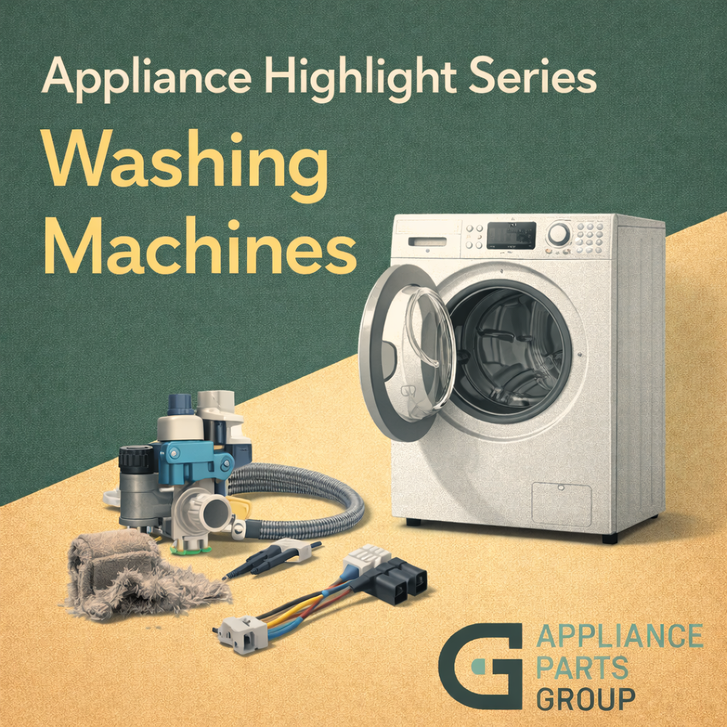
Washing machines have evolved dramatically over the past two decades. Today’s models are more energy-efficient, water-conscious, and technologically advanced than ever before. But with those improvements comes increased complexity — and a greater need for proper maintenance.
In this Appliance Highlight Series installment, we take a deep dive into modern washing machines: how they work, what makes them better than older models, what routine maintenance is required, and what can happen when key components are neglected.
How Modern Washing Machines Have Changed
Older washers relied heavily on mechanical timers and basic agitation. Modern machines now use advanced electronics, precision sensors, and optimized wash algorithms to deliver better cleaning while using fewer resources.
Key advancements in modern washing machines include:
- High-Efficiency (HE) wash systems
- Load-sensing technology to adjust water levels
- Direct-drive and inverter motors
- Advanced suspension and vibration control
- Smart diagnostics and app connectivity
These improvements increase performance and efficiency — but they also mean that worn or failing components can have a larger impact on overall operation.
Front-Load vs Top-Load: Maintenance Considerations
Front-Load Washers
Front-load washers are known for efficiency and gentle fabric care, but they require consistent maintenance.
- Door boot (bellows) cleaning to prevent mold and odor
- Regular drain pump filter inspection
- Proper detergent usage to avoid residue buildup
Top-Load Washers
Top-load models are often simpler but still rely on several wear components.
- Lid switches or door locks
- Agitator or wash plate components
- Suspension rods and dampers
Essential Routine Maintenance for Washing Machines
Routine maintenance is the single most effective way to extend washer lifespan and prevent unexpected breakdowns.
1. Clean the Washer Regularly
- Run a monthly cleaning cycle or hot wash with no laundry
- Wipe door seals, dispensers, and lids
- Remove detergent buildup from trays
2. Inspect and Replace Water Hoses
Inlet hoses are a major failure risk if ignored.
- Inspect for bulging, cracking, or corrosion
- Replace every 3–5 years with quality hoses
- Consider braided stainless-steel hoses for added protection
3. Check Drainage Components
- Clean drain pump filters (front-load models)
- Ensure drain hoses are not kinked or clogged
- Watch for slow draining or standing water
Common Washing Machine Parts That Wear Out
Many washer failures are caused by predictable wear items. Replacing these components early can prevent secondary damage.
High-failure OEM washer parts include:
- Drain pumps
- Inlet valves
- Door locks and lid switches
- Suspension rods and shock absorbers
- Drive belts (belt-driven models)
Using genuine OEM replacement parts ensures proper fit, correct electrical characteristics, and long-term reliability.
What Happens When Washer Maintenance Is Ignored
Skipping routine care doesn’t just lead to poor performance — it can create real risks.
Potential consequences include:
- Water leaks and property damage
- Mold growth and odor issues
- Electrical faults from moisture exposure
- Premature motor or control board failure
- Higher energy and water usage
In many cases, a simple OEM part replacement could have prevented a much more expensive repair.
Why OEM Parts Matter for Washing Machines
Modern washers rely on precise tolerances and sensor feedback. OEM parts are designed specifically for each model’s operating requirements.
- Correct water flow and pressure
- Proper electrical resistance and communication
- Exact physical fit and mounting
- Compatibility with control software
Aftermarket parts may appear similar, but small differences can cause performance issues or repeat failures.
Maintaining Your Washer for Long-Term Performance
With proper care and timely OEM part replacement, modern washing machines can deliver excellent performance for many years. Regular inspection, cleaning, and early intervention are key to avoiding downtime and protecting your investment.
This article was written by an AI program as part of a beta test by Appliance Parts Group to explore how artificial intelligence can help inform and educate our customers. Our goal is to use AI tools to provide clear, reliable information so you can make confident, well-informed purchasing decisions.